
When you’re shopping premium cannabis flower, the strain name on the jar is only the beginning.
Connected flower strains have earned attention in California for distinctive genetics, indoor cultivation, recognizable terpene profiles, and a lineup that ranges from fruity and dessert-forward cultivars to considerably louder gas-heavy options.
But picking the right Connected flower shouldn’t come down to choosing the strain with the coolest name or the biggest THC number.
Two cultivars from the same brand can smell, taste, and feel noticeably different. Even within one cultivar, batch information, cannabinoid content, terpene expression, freshness, and your individual tolerance can influence the experience.
Before buying Connected Cannabis, it pays to know how to read the product rather than just recognize the logo.
Jump to the Full Story
- Detailed Breakdown
- ColdFire Carts vs Flavorade at a Glance
- What Are ColdFire Carts?
- What Is Flavorade?
- The Biggest Difference: Look at the Extract
- What Is Cured Resin?
- What About Live Resin?
- Flavor Is Where Both Brands Compete Hard
- Pay Attention to the Cultivar
- Cultivator Collaborations Matter
- Don't Choose Based on THC Percentage Alone
- Terpenes Deserve Attention Too
- Hardware Quality Matters
- Check Cartridge Compatibility Before Buying
- ColdFire May Be Better If…
- Flavorade May Be Better If…
- Which Brand Has Better Flavor?
- Freshness Can Matter More Than the Logo
- Price Should Be Compared Product by Product
- Availability May Make the Decision for You
- Where Can You Find ColdFire and Flavorade in San Diego?
- ColdFire Carts vs Flavorade: The Final Verdict
- Key Takeaways
- FAQs
TLDR Quick Guide
Here’s what to know when comparing Connected flower strains:
- Connected is a California cannabis brand known for premium indoor flower.
- Individual strains can have very different genetics, aromas, terpene profiles, and cannabinoid levels.
- THC percentage shouldn’t be your only buying criterion.
- Aroma can provide useful clues about a cultivar’s terpene profile.
- Labels such as indica, sativa, and hybrid are useful shorthand but don’t predict everyone’s experience perfectly.
- Genetics can help explain similarities between related cultivars.
- Batch-to-batch variation is normal with cannabis flower.
- Freshness and proper storage matter.
- Buy regulated cannabis products through licensed retailers.
- Check current inventory because individual Connected strains can rotate.
You can compare Connected with other Wellgreens cannabis brands and check in-stock cannabis products before heading to a store.
Detailed Breakdown
What Is Connected Cannabis?
Connected Cannabis Co. is a California cannabis company particularly associated with indoor-grown flower and genetics.
The brand has developed a catalog containing established favorites alongside newer releases and genetic crosses.
For consumers, that’s important because Connected flower strains aren’t one uniform experience.
A strain with citrus-heavy genetics may offer a completely different aromatic profile from one built around dessert, fuel, earth, or berry characteristics.
Think of Connected as the producer.
The cultivar tells you considerably more about what is actually inside the package.
Why Are Connected Flower Strains Popular?
Premium flower brands compete on more than potency.
Connected’s appeal is closely tied to areas such as:
- Genetics
- Indoor cultivation
- Flower appearance
- Trichome development
- Aroma
- Terpene expression
- Cultivar selection
- Brand consistency
Consumers who shop this category often care about whether flower looks, smells, and handles like a premium product—not simply whether the label crosses a certain THC threshold.
That’s an important mindset when comparing products.
Start With Genetics
Strain names can sound like someone combined a dessert menu with a chemistry experiment.
The genetics behind those names are more useful.
Cannabis cultivars are developed by crossing parent genetics and selecting plants for desirable traits.
Those traits can include:
- Aroma
- Flavor
- Cannabinoid production
- Plant structure
- Appearance
- Resin production
Knowing a strain’s lineage can help you understand why certain Connected cultivars share characteristics.
If you’ve enjoyed one genetic family before, exploring related crosses can be a more useful shopping strategy than choosing randomly.
Popular Connected Strains Can Have Very Different Profiles
Connected’s catalog changes over time, and availability varies by dispensary.
Depending on current releases, shoppers may encounter recognizable Connected cultivars and genetic families with profiles spanning sweet, fruity, creamy, earthy, spicy, and fuel-forward territory.
Rather than treating popularity as proof that you’ll enjoy a strain, ask:
What is this particular cultivar known for?
Then compare that description with your preferences.
A strain everyone online calls “fire” isn’t particularly helpful if you dislike its dominant aroma.
Don’t Shop by THC Percentage Alone
This deserves repeating because cannabis menus make THC extremely difficult to ignore.
You see:
24%
Then:
28%
Then:
31%
And suddenly shopping feels like comparing horsepower.
THC is important, particularly when you’re considering potency and your tolerance. But a higher number doesn’t automatically indicate higher-quality flower or guarantee a better experience.
Two Connected flower strains with different THC levels can also have very different:
- Terpene profiles
- Minor cannabinoid content
- Aromas
- Genetics
- Freshness
- Overall characteristics
Choose the complete product, not just the largest percentage printed on the label.
Potency Still Matters
Saying “don’t shop by THC alone” doesn’t mean ignoring THC.
Quite the opposite.
THC content can help you make a more informed choice, especially if you have limited experience with higher-potency cannabis.
Premium flower can be potent.
If you’re unfamiliar with a product, don’t assume your experience with another strain translates perfectly just because both came from Connected.
Individual response varies.
Terpenes Help Explain Aroma
Terpenes are aromatic compounds produced by cannabis and many other plants.
They’re a major reason one cultivar may smell citrusy while another reminds you of pine, pepper, flowers, fruit, or fuel.
Common cannabis terpenes include:
- Limonene – commonly associated with citrus aromas
- Myrcene – often described as earthy or herbal
- Caryophyllene – frequently associated with peppery or spicy aromas
- Pinene – associated with pine-like aromas
- Linalool – commonly associated with floral aromas
Actual aroma comes from complex combinations rather than one terpene acting alone.
So if a Connected strain smells like citrus, fuel, and sweet cream simultaneously, that’s not the flower being indecisive.
It’s chemistry.
Aroma Can Be More Informative Than a Strain Category
Traditional cannabis shopping often revolves around three labels:
Indica. Sativa. Hybrid.
They’re easy to understand, but they can oversimplify what consumers actually experience.
Modern cannabis genetics are highly hybridized, and two products labeled “hybrid” can have completely different chemical profiles.
Instead of relying entirely on category labels, consider:
- Genetics
- Cannabinoid content
- Terpene information
- Aroma
- Previous experiences with similar cultivars
Wellgreens’ guide on how to choose cannabis flower based on potency, aroma, and effects explores these factors in greater detail.
What Should Premium Cannabis Flower Look Like?
Appearance isn’t everything, but it provides useful information.
Quality flower commonly shows:
- Visible trichomes
- Developed bud structure
- Color appropriate to the cultivar
- Careful trimming
- Limited excess stems
- No visible contamination
Trichomes are the tiny resin-producing structures covering cannabis flowers.
Under good lighting, they can give premium buds a frosted appearance.
Connected’s premium positioning means shoppers may reasonably pay attention to visual quality alongside aroma and label information.
Bigger Buds Don’t Automatically Mean Better Flower
Large buds photograph beautifully.
That doesn’t make smaller buds worthless.
Bud size can vary based on:
- Position on the plant
- Genetics
- Cultivation
- Processing
- Packaging
Smaller flower from the same batch can contain the same underlying genetics and similar chemical characteristics.
Don’t confuse Instagram appeal with an objective quality measurement.
Freshness Matters
Cannabis flower changes with time and storage.
Excessive heat, light, air exposure, and poor storage conditions can affect its aromatic qualities and physical condition.
Flower that becomes excessively dry may:
- Crumble easily
- Lose aromatic intensity
- Feel harsh
- Handle differently during preparation
On the opposite extreme, cannabis shouldn’t feel suspiciously wet or show signs of contamination.
When shopping Connected flower strains, review available packaging information and buy from licensed retailers that handle cannabis products appropriately.
Packaging Dates Are Worth Checking
The newest package isn’t automatically the best flower you’ve ever encountered.
But dates provide context.
If two otherwise similar products are available, packaging information can help you understand how long each has been stored.
Cannabis isn’t wine.
Leaving a jar forgotten in a hot drawer for three years doesn’t transform it into a collector’s vintage.
How Should Cannabis Flower Smell?
There’s no single “correct” cannabis smell.
Cultivar profiles can range dramatically.
You may encounter descriptions such as:
- Citrus
- Lemon
- Orange
- Berry
- Grape
- Tropical fruit
- Vanilla
- Cream
- Dough
- Earth
- Pine
- Pepper
- Diesel
- Fuel
What matters is whether the aroma is consistent with the product and appealing to you.
A pungent fuel-forward strain isn’t inherently superior to a subtle fruity one.
Preference wins.
What Should You Avoid?
Regulated cannabis flower should come properly packaged and labeled.
Avoid products from questionable or unlicensed sources, particularly when you can’t verify where the cannabis originated.
Also avoid flower showing obvious signs of contamination or abnormal deterioration.
Buying from a licensed dispensary helps provide access to California-regulated cannabis that has undergone required testing and labeling.
That’s considerably more reassuring than a mystery bag accompanied by “trust me.”
Batch Variation Is Normal
Cannabis is an agricultural product.
Even when growers work hard to maintain consistency, plants and harvests aren’t identical manufactured widgets.
One batch of a cultivar may differ somewhat from another in:
- THC percentage
- Terpene levels
- Bud structure
- Aroma intensity
- Moisture
- Appearance
That doesn’t automatically indicate a quality problem.
It means you should evaluate the specific batch you’re buying, not assume every jar bearing the same strain name will be chemically identical forever.
How Much Does the Grower Matter?
A lot.
Genetics establish potential, but cultivation determines how effectively that potential is expressed.
Important cultivation factors can include:
- Environment
- Lighting
- Nutrition
- Irrigation
- Harvest timing
- Drying
- Curing
- Handling
That’s one reason premium cannabis brands invest heavily in cultivation systems and post-harvest processing.
The strain name tells you what genetics you’re buying.
The producer tells you who grew and prepared them.
Connected Flower vs Budget Flower
Premium flower generally costs more because brands compete on characteristics such as genetics, cultivation, selection, trimming, consistency, presentation, and brand reputation.
Whether the premium is worthwhile depends on what you value.
If you prioritize:
- Distinctive genetics
- Strong aroma
- Appearance
- Cultivation quality
- Specific cultivars
then premium Connected flower strains may make sense to compare.
If your priority is simply obtaining legal cannabis flower at the lowest available price, other product tiers may suit you better.
Neither shopping strategy needs to pretend to be the other.
Don’t Assume Price Equals Quality
Premium pricing can reflect real production differences.
It can also reflect branding, scarcity, market demand, and product positioning.
Evaluate what you’re actually getting.
Ask yourself:
- Do I like these genetics?
- Does the aroma profile appeal to me?
- Is the product fresh?
- Is the potency appropriate?
- Is this batch worth the price difference to me?
That’s a better framework than assuming the most expensive eighth automatically wins.
Understand Common Flower Package Sizes
California dispensary menus commonly offer cannabis flower in familiar package sizes.
Depending on the brand and current product, you may encounter quantities such as:
- 1 gram
- 3.5 grams
- 7 grams
- Larger package formats where offered
Connected products and available sizes can vary.
Check the actual listing before comparing prices because comparing one package size against another without doing the math can make one product appear cheaper than it really is.
Check Price Per Gram When Comparing Options
Here’s an easy way to make menu comparisons more useful.
Divide the product price by the number of grams.
That gives you a rough price per gram before applicable taxes, discounts, or other charges.
It’s particularly helpful when comparing:
- Eighths
- Quarter-ounce packages
- Small buds
- Promotional products
- Different premium brands
You don’t need a spreadsheet.
Your phone calculator has been waiting its entire life for this moment.
Learn the Basics Before Choosing Flower
If you’re relatively new to the category, understanding how flower is cultivated, labeled, stored, and sold can make shopping much easier.
Wellgreens’ cannabis flower guide provides a broader overview before you start comparing individual strains.
Once you understand the category, strain names become considerably less intimidating.
Think About Your Previous Preferences
One of the best tools for choosing Connected flower strains is your own history.
If you’ve purchased cannabis flower before, note what you enjoyed.
Write down:
- Strain name
- Brand
- THC range
- Dominant aromas
- Terpenes when available
- Genetics
- What you liked or disliked
Over time, patterns emerge.
Maybe you repeatedly enjoy citrus-forward genetics.
Maybe dessert strains aren’t your thing.
Maybe fuel-heavy cultivars keep winning.
That’s more useful than endlessly asking strangers online for “the strongest strain.”
How to Compare Two Connected Flower Strains
Suppose you’re looking at two Connected options and can’t decide.
Use a simple comparison.
1. Compare Genetics
Do you recognize either strain’s parent genetics?
2. Compare Potency
Is one significantly more potent than you’re comfortable with?
3. Compare Terpene Information
Does one profile align better with aromas you enjoy?
4. Compare Freshness
Review package and batch information where available.
5. Compare Price
Is one offering meaningfully better value for what you prioritize?
6. Ask About the Products
Dispensary staff can help explain differences between currently available options.
This process takes a little longer than picking the highest THC number.
It also gives you a much better reason for your choice.
Where to Find Connected Flower in San Diego
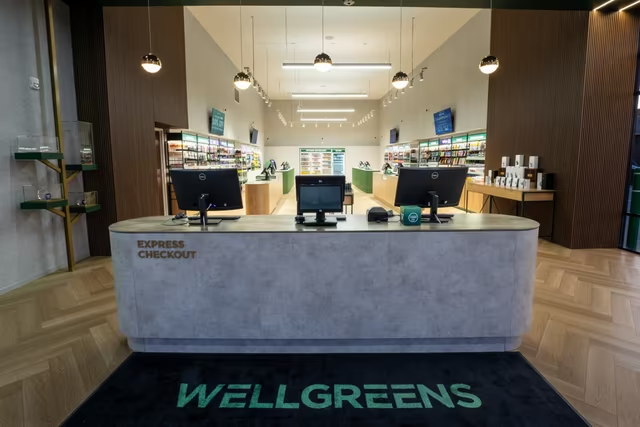
Wellgreens features Connected Cannabis among the brands offered through its San Diego-area dispensaries.
Because cannabis inventory changes frequently, a particular strain may sell out or rotate between stores.
Before making a special trip, check in-stock cannabis products.
You can also browse Wellgreens locations to find the most convenient dispensary.
Checking first is particularly worthwhile if you’re hunting for one specific Connected release.
Connected Flower Strains: What Should You Buy?
There isn’t one Connected strain that makes sense for everyone.
Instead, narrow your choice based on:
- Genetics
- Potency
- Terpenes
- Aroma
- Freshness
- Price
- Personal preference
If you’re unfamiliar with a cultivar, ask questions and read the available label information.
Most importantly, don’t let hype make the decision for you.
The “best” strain on social media isn’t automatically the best strain for your preferences.
Key Takeaways
- Connected flower strains cover a range of genetics and aromatic profiles. Don’t expect every product from the brand to smell, taste, or feel the same.
- Genetics are worth understanding. Parent strains can provide useful clues when comparing unfamiliar cultivars.
- THC isn’t a complete quality score. Higher potency doesn’t automatically mean better flower.
- Terpenes contribute heavily to aroma. Look beyond basic indica, sativa, and hybrid labels when comparing products.
- Premium flower should be evaluated as a complete product. Genetics, cultivation, aroma, trichomes, freshness, labeling, and handling all matter.
- Batch variation is normal. Cannabis is an agricultural product, so cannabinoid and terpene levels can change between harvests.
- Freshness deserves attention. Review available packaging information and store cannabis according to product guidance.
- Compare price intelligently. Price per gram can make different package sizes easier to evaluate.
- Use your own preferences as a guide. Tracking cultivars and aromatic profiles you enjoy can improve future choices.
- Check inventory before visiting. Browse Wellgreens Dispensary and its current menu to see which Connected products are available.
FAQs
1. What are Connected flower strains known for?
Connected flower strains are associated with premium California indoor cultivation, distinctive genetics, strong visual presentation, and varied terpene profiles. The brand offers cultivars spanning fruity, dessert-like, earthy, spicy, and fuel-forward aromatic territory depending on current releases. Individual products should still be evaluated by batch because potency, terpene expression, and availability can vary.
2. Which Connected flower strain is the best?
There isn’t one objectively best Connected strain because consumers differ in their preferences, tolerance, and desired product characteristics. Compare genetics, THC content, terpene information, aroma descriptions, freshness, and price instead of relying solely on popularity. A cultivar matching profiles you’ve enjoyed previously is often a more useful choice than whichever strain currently has the most hype.
3. Are Connected flower strains high in THC?
Many Connected flower products are positioned in the premium, higher-potency segment, but THC levels vary by cultivar and batch. Consumers should check the labeled cannabinoid information on the specific product rather than relying on a general number associated with the strain online. Higher THC also doesn’t automatically indicate better quality or a better match for an individual’s preferences.
4. How do I choose between two Connected Cannabis strains?
Start by comparing the strains’ genetics, cannabinoid content, terpene information, aroma descriptions, freshness, and package size. Consider which characteristics resemble cannabis flower you’ve previously preferred rather than making the decision solely from THC percentage. Dispensary staff can also explain differences between the specific batches currently available.
5. Where can I buy Connected flower strains in San Diego?
Wellgreens offers Connected Cannabis among its selection of regulated cannabis brands in the San Diego area. Specific Connected flower strains can rotate or sell out, so checking current inventory before visiting is the best way to confirm availability. You can also review Wellgreens’ location directory to find a nearby store carrying current cannabis products.